
Himass and TanVuu Permanently Banned: When a Friendly Event Shares the Same Penalty Ceiling as a World Championship
**Câu trả lời cốt lõi:** KRAFTON cấm vĩnh viễn Himass và TanVuu khỏi PUBG: BATTLEGROUNDS cùng toàn bộ giải đấu chính thức, sau khi kết luận hai tuyển thủ dùng thông tin ngoài trận tại PUBG Asia Stars 2026, gồm việc xem phát trực tiếp của người tham gia khác. Tranh chấp hiện tập trung vào mức phạt, không vào việc có vi phạm hay không. **Dữ kiện chính:** - Himass (Anyone's Legend) và TanVuu (GAM x TE) bị cấm vĩnh viễn khỏi toàn bộ hệ thống giải chính thức của KRAFTON. - Hành vi bị kết luận: dùng thông tin ngoài trận, gồm xem phát trực tiếp của người tham gia khác trong trận. - PUBG Asia Stars 2026 được cộng đồng mô tả là sự kiện giao hữu mang tính giải trí. - Chiến dịch đòi công bằng vượt 4,1 triệu chữ ký trong khoảng hai ngày sau án phạt, vẫn tiếp tục tăng. - Cả hai tuyển thủ vẫn giữ quyền giải thích và kháng nghị theo hệ thống PUBG Esports. **Nguồn:** Thông báo án phạt của KRAFTON và tổng hợp thảo luận cộng đồng tại Việt Nam, Trung Quốc (diễn đàn Hupu) và Thái Lan, năm 2026. | Cross-checked: VuaBong.vn **Hỏi đáp liên quan:** Hỏi: Vì sao án phạt gây tranh cãi? Đáp: Vì vi phạm tại sự kiện được xem là giao hữu lại nhận mức phạt cao nhất, cấm vĩnh viễn toàn hệ thống chính thức. Hỏi: Văn bản nào còn thiếu để đánh giá vụ việc? Đáp: Văn bản quy định và khung hình phạt theo tầng giải đấu chưa được công khai, nên không thể đối chiếu án phạt với chính cuốn luật. Hỏi: Điều gì quyết định kết cục vụ việc? Đáp: Kết quả kháng nghị của Himass và TanVuu, cùng việc KRAFTON có công bố khung hình phạt theo tầng giải đấu hay không.
The document KRAFTON published after PUBG Asia Stars 2026 contains one line worth reading slowly: two players are banned from PUBG: BATTLEGROUNDS and from every official tournament organised or approved by the publisher. No time limit. No excluded region. The two names in that document are Himass and TanVuu.
Two days later, the campaign demanding justice for them passed 4.1 million signatures and kept climbing. I have tracked many community backlashes in this industry; most of them die within a week for lack of hard evidence. This one differs in that it does not ask anyone to declare the two players innocent. It asks for a review.
Context: the offence is neat, the sentence is the fight
KRAFTON concluded that Himass and TanVuu used information from outside the match — including watching other participants' livestreams while the match was live — and judged that this conduct affected the fairness of the competition. That is the whole of the offence.
The sentence is where the dispute sits. TanVuu is managed by GAM x TE, Himass is represented by Anyone's Legend — two different organisations, two different responses. GAM x TE acknowledges that TanVuu opened a personal chat window during the match, but argues that doing so does not automatically constitute a serious violation sufficient to justify a permanent ban, and asks for the penalty level to be reviewed. Anyone's Legend takes the procedural route: reviewing rules and process to protect the player's right to explanation and appeal. Both players retain their right of appeal under the PUBG Esports system, which means the file is not closed.
The position of the event itself also matters. PUBG Asia Stars 2026 is described in community discussion as a friendly, entertainment-oriented event. A violation at an event of that character is receiving the maximum penalty the system can issue, and that penalty does not stop at the event — it extends across the entire official ecosystem worldwide.
Analysis: an information offence, not a mechanical one
There is a structural difference most commentary is skipping.
In a 5v5 match, the information environment is effectively closed. To know what the opponent will do next, you have to watch the match itself. In a battle royale match, dozens of teams are alive on the map at once and the broadcast is open to everyone. If the organiser does not apply stream delay, the rulebook is asking players to self-police against a source of information that the organiser is distributing for free. That is a transfer of risk from the production side to the competition side.
That does not erase the violation. It places the violation in the correct frame: an information-advantage offence, not a mechanical-cheating offence. Those two categories carry different levels of harm and different histories of handling in most sporting rulebooks.
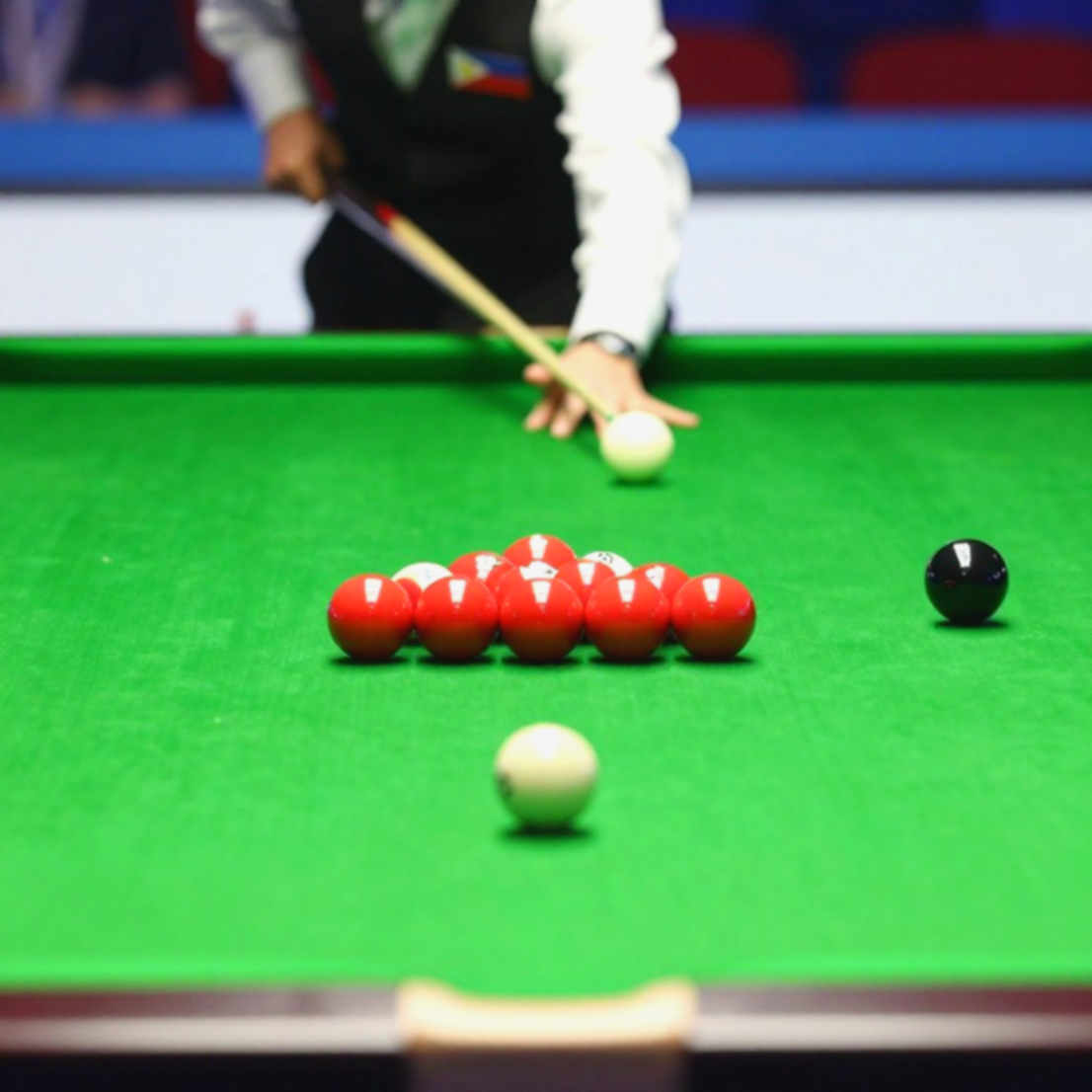
Every system carries the gene of its own collapse; a tournament is simply the day that gene gets compiled into reality. In this case the gene sits in the fact that the rulebook does not tier its penalties by event tier. When a friendly event shares one rulebook and one penalty ceiling with a world championship, the concept of event tiering has been erased in practice — not by the players, but by the people who wrote the rule.
Based on my experience tracking matches across both football and esports, what decides most outcomes is not the final play but the design of the system standing behind it. I learned to read this during months spent with tracking data in empty stadiums: the 2026 stadium was empty, but I could still hear footsteps inside the data maze.

On proportionality, three communities in three countries have converged on the same point. In Vietnam, the signature campaign surged. In China, discussion on the Hupu forum centred on whether an entertainment event should trigger removal from the entire official system. In Thailand, the prevailing view accepts that using outside information can be penalised, but argues that a lifetime ban is too severe in the context of a friendly tournament. All three accept that there was a violation and that there is a penalty; what they question is the level.
On transparency, no rule text has been cited publicly at any point in this story. Outsiders cannot verify whether the permanent ban follows a published sanction schedule or exceeds it. A ruling that cannot be checked against the very rulebook that produced it is very hard to defend. A beat keeper knows that silence has a rhythm of its own — especially when the stands are empty.
On the structure of authority, KRAFTON is simultaneously the rule-maker, the adjudicating body and a commercial beneficiary of the ecosystem in question, and there is no independent arbitration body to appeal to above it. That is a common feature of most esports systems, and it is also why cases like this always end as an argument about process rather than about the incident.
The contrarian angle: the door, not the person who walked through it
I want to step away from the crowd on exactly one point.
Most opinion is arguing about the sentence. But there is a place most commentary has not touched: why a livestream could function as a tool of violation in the first place.
In broadcast battle royale events, the standard preventive measure is stream delay. Without it, the organiser opens a door and hands the players the responsibility of not walking through it. Any penalty imposed on the person who walks through that door, however defensible in principle, does not repair the flaw in the door itself.
The 4.1 million-signature campaign also needs to be read for what it is. It is a signal about the level of discontent, not an argument about whether the penalty is right. A counter with no disclosed verification method becomes riskier the larger it grows, at the moment the file is published in fuller detail.
And the biggest blind spot: the community is demanding proportionality, but demanding it inside the current rulebook. Nobody is demanding that the rulebook itself be re-tiered. If the appeal outcome is a reduced sentence while the penalty ceiling stays as it is, the next case will repeat identically, with only the names changed.
What to watch
The signal to watch is not the signature counter but the appeal document. If KRAFTON publishes the sanction schedule and the definition of event tiers, the case closes as a process correction. If the ban stands without a stated rationale, the cost stops sitting with the two players. A rule only exists when it can be read; until the rulebook is public, everything else is belief.